









Peak Design, a leader in premium carry and camera gear, recognized the need for a centralized partner to bring order to their expanding global network. They partnered with Stord with the goal of consolidating their disconnected fulfillment infrastructure into a single, tech-enabled operation.
About Peak Design: Built with “Details Within Details”

Born on Kickstarter in 2011, Peak Design was founded on a vision for smarter gear. While on a backpacking trip, founder Peter Dering saw an opportunity to improve how photographers carry their equipment. He realized that a DSLR camera was often either bouncing uncomfortably around the neck or tucked away and inaccessible inside a bag. To address this, he engineered the Capture Clip, which is a mechanical component designed to lock a camera in place for both security and instant access.
Since then, Peak Design has spent over a decade engineering professional-grade carry solutions that connect heavy-duty utility and elegant industrial design. Operating with total autonomy and zero outside investment, the brand is committed to its community of backers, allowing for an uncompromising focus on premium materials and intensive research and development (R&D) cycles.
From award-winning camera bags to carbon fiber tripods and mobile device accessories, every Peak Design product is built on a “details within details” philosophy where every stitch, custom instructional graphic, and mechanical component serves a purpose. Guided by a steadfast commitment to sustainability, they prioritize environmental responsibility and product longevity, ensuring their gear is built to last a lifetime.
What began as a manual operation in San Francisco has grown into a global brand with nine global distribution centers and five retail locations. In the US, this expansion resulted in a fragmented network spread across three separate fulfillment vendors. Navigating these distinct processes and points of escalation created an administrative burden that was no longer sustainable for Peak Design’s global operations.
The Weight of Disconnected Systems
In the early days, Peak Design’s fulfillment was as hands-on as their product R&D. Mark Wang, VP of Business Operations at Peak Design, recalls the team spending a lot of time in their San Francisco office manually printing labels and stuffing products into mailer boxes to fulfill US orders. As the brand grew, the high cost of San Francisco real estate prompted a shift toward third-party logistics (3PLs).
For Wang, the transition from manual packing to a system where he could fulfill orders by clicking a button was life-changing. It allowed him to focus on building the technology stack needed to manage a growing global brand.
The scale of expansion brought new logistical concerns. While the brand grew to include nine international distribution warehouses and five retail stores, their US infrastructure remained fragmented across three separate 3PLs. Managing these different providers required a level of coordination that their existing systems were not built to handle. Wang found that this systemic disconnect was pulling his team away from high-level strategy and back into troubleshooting.
“Every 3PL we work with, it's just a lot of different processes and a lot of work,” Wang explained. “I think consolidating into one vendor provider is really important.”
This disconnect created a cycle of constant manual intervention, particularly for their B2B business, which now accounts for approximately 50% of the company’s revenue. Without a unified system, they were forced to navigate a confusing maze of strict shipping matrices and routing guidelines for big-box retailers. Minor fulfillment vendor errors, such as a missed shipping window, resulted in costly chargebacks and hours of correcting the issues.
Aside from the financial toll, the lack of a centralized platform meant the team was perpetually searching for data across siloed systems just to maintain basic order accuracy.
“They’re always hunting for information that should just be right there, front and center,” Wang recalled. “The goal is so then they can focus more time at the customer service level, working with customers, helping them understand how to use their products, and maybe sell a couple things here and there.”
To protect the brand experience and build the capacity to reclaim their focus, Peak Design needed a partner capable of executing a high-stakes, technical onboarding. They required a solution that could eventually unify their fragmented logistics infrastructure without missing a single shipping window during the transition.
Sprinting to Capture Connectivity
Peak Design required a technical fulfillment architecture that could reflect the precision of their products. They chose Stord to act as their primary fulfillment partner, leveraging a unified system to provide the foundation for consolidating their US operations and global inventory visibility.
This choice was validated during the onboarding process when the Peak Design team toured a Stord facility to see the operations firsthand. “We were really impressed. Everything was a well-oiled machine,” Wang recalled. “The culture there seemed to be similar to Peak Design, with a family-oriented and tight-knit atmosphere. The technology there, everybody had iPads pretty much. And just pick, pack, and go, and it looked really well.”
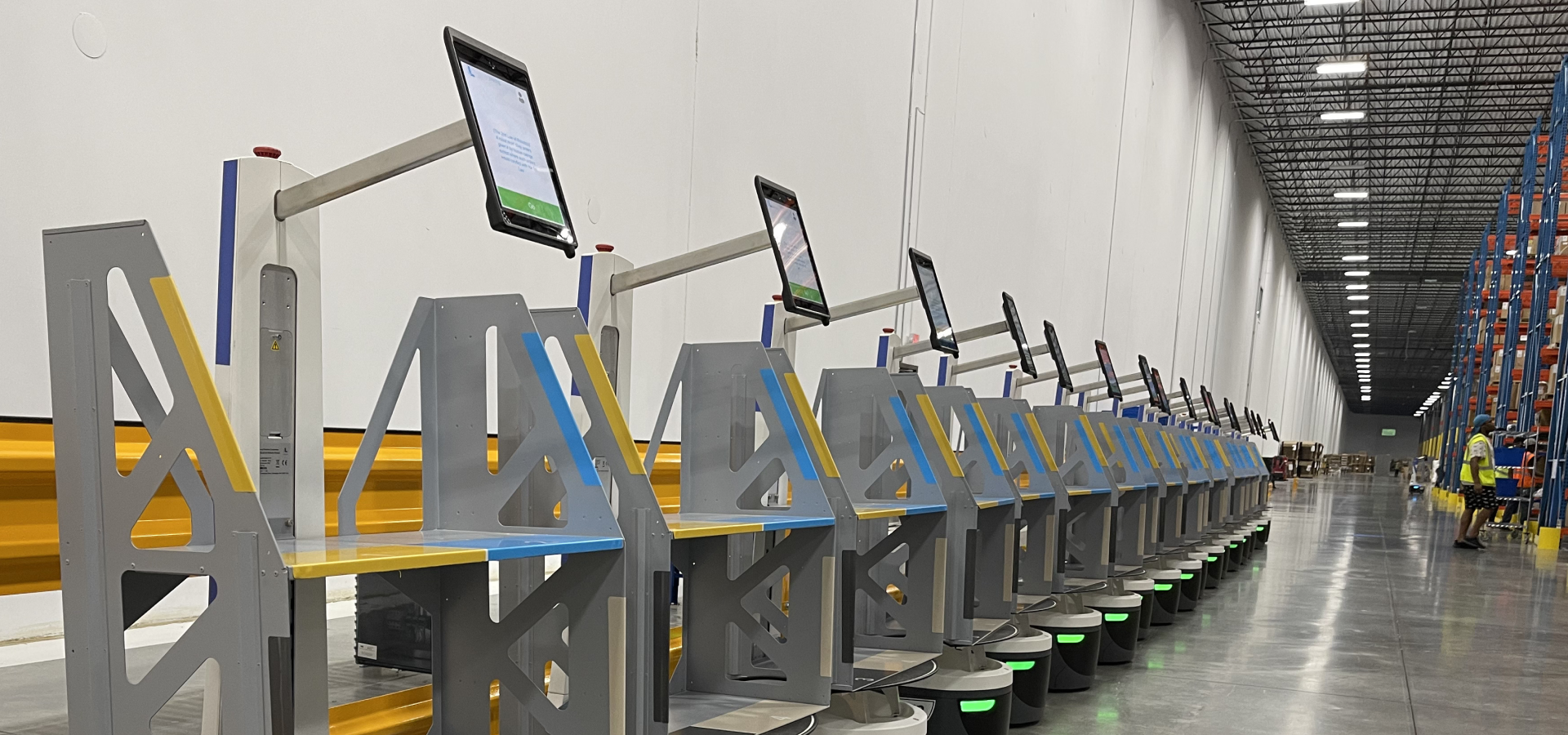
The collaboration yielded immediate results for Peak Design’s domestic logistics. By gaining a new East Coast node through Stord, the brand successfully eliminated the long transit times associated with shipping solely from their West Coast warehouse. This expansion allowed Peak Design to accelerate delivery speeds to East Coast customers while maintaining cost-effectiveness. Wang noted that this move was a significant win from both a business and consumer standpoint.
With the physical partnership aligned, Peak Design and Stord executed a high-stakes technical onboarding. They collaborated on a rapid deployment between Peak Design’s Oracle NetSuite ERP and Stord’s Open API.
“It helps when you are pretty good at NetSuite, and the technology setup was pretty fast,” Wang noted. “The documentation was super clear and very well written.”
Wang emphasized that the Stord team’s responsiveness was a key differentiator. “The team was phenomenal and very responsive when we wanted to test specific scenarios. The onboarding process with Stord was much better than some of the other partners I’ve worked with.”
By onboarding with Stord, Peak Design has taken the first step toward streamlining inconsistent and tedious processes with a single, reliable partner. This shift provides the control they need to eventually scale their entire network under one roof.
A Solid Foundation for Future Scale
By establishing a high-performance technical foundation during the onboarding phase, Peak Design has established a scalable framework for their future logistics. The integration was the first step in moving away from disparate vendors and processes toward a unified, tech-enabled fulfillment.
“If we can consolidate and make it easier for my operations team... this is our recipe for this. And opening a warehouse is this. And it’s scalable. Then maybe instead of having nine, we can have 20-plus warehouses. We just have to make it easy. And I think the Stord platform enables us to do that,” Wang concluded.
The successful onboarding has unlocked a long-term strategy for Peak Design. With a point of integration now live, Peak Design is positioned to unify their disparate US nodes and gain greater visibility across their global network. This alignment ensures their backend operations can match the precision and quality of the gear they engineer.
Get started with Stord
Ready to build a fulfillment operation with the same precision you put into your products? Our team of e-commerce experts can show you how Stord's onboarding process and unified platform can get you up and running fast, and help your brand capture more customers from day one.